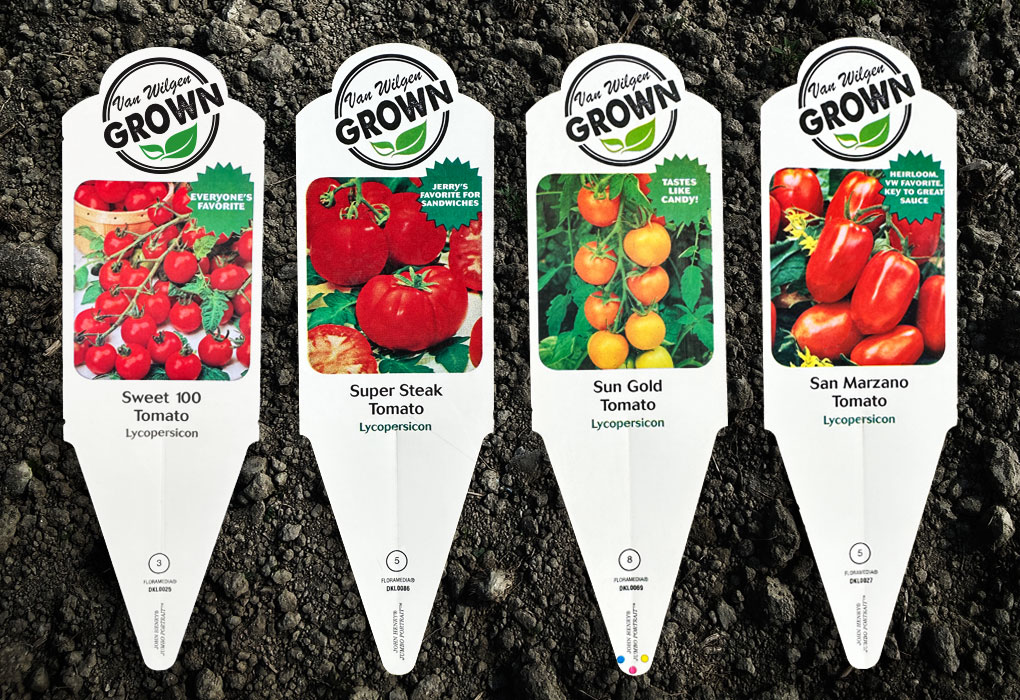
Brandywine Red – Heirloom with huge tomatoes that produces extremely well all season. They are a bit misshapen but don’t let that discourage you. The shape is weird but the flavor is great! Considered one of the best-tasting heirlooms that are great for slicing.
Early Girl – Just like the name says… this is one of the shortest times to harvest tomatoes. The fruit is medium and an all-around utility player, good for salads, sandwiches, and slicing.
Grape – What’s the difference between cherry and grape tomatoes? Grape tomatoes are shaped just like a grape, longer and oval, while the cherry is perfectly round. Grape is meaty and crunchy with the classic tomato taste.
Patio Red – This small package packs a big punch. The plant is small but the yield is not! Perfect for small-space gardening or growing in pots. The plant reaches only 2 feet tall on a sturdy stem. It is common to get 50 small/medium tomatoes from one plant.
San Marzano – THE ONLY TOMATO for sauce. They are longer and skinnier than regular plum tomatoes. Juicy yet meaty and thin-skinned with a complex flavor make these a must.
Sungold – This is a cherry tomato that ripens to an orange color. One plant will yield LOTS of small tomatoes, which is good because everyone at my house pops them in their mouth every time they walk by because of their exceptionally sweet flavor. These do not ship well because they tend to pop, so get them while they last off the plant! Roast these with some garlic and basil, then blend it all up for a sweet and healthy sauce.
Super Sweet 100 – An improvement on the original, this plant produces a LOT of perfectly round bite-sized fruit. Long branches with clusters make them easy to pick quickly so you can eat them quickly too. They are high in sugar making them very sweet, and high in vitamin C so they are good for you!
Super Steak – Jerry our retired fig and tomato master used to say this was the best hybrid tomato hands down! They have excellent flavor and can get as big as TWO POUNDS! If you love a summer tomato sandwich, this is the one for you: all you need is one slice!
Quick Tomato Tips
IT’S ALL IN THE SOIL: Prevent Blossom End Rot with Calcium and Magnesium. SOILution has a lot of both from their ingredients… mix some SOILution in with your soil to keep them healthy!
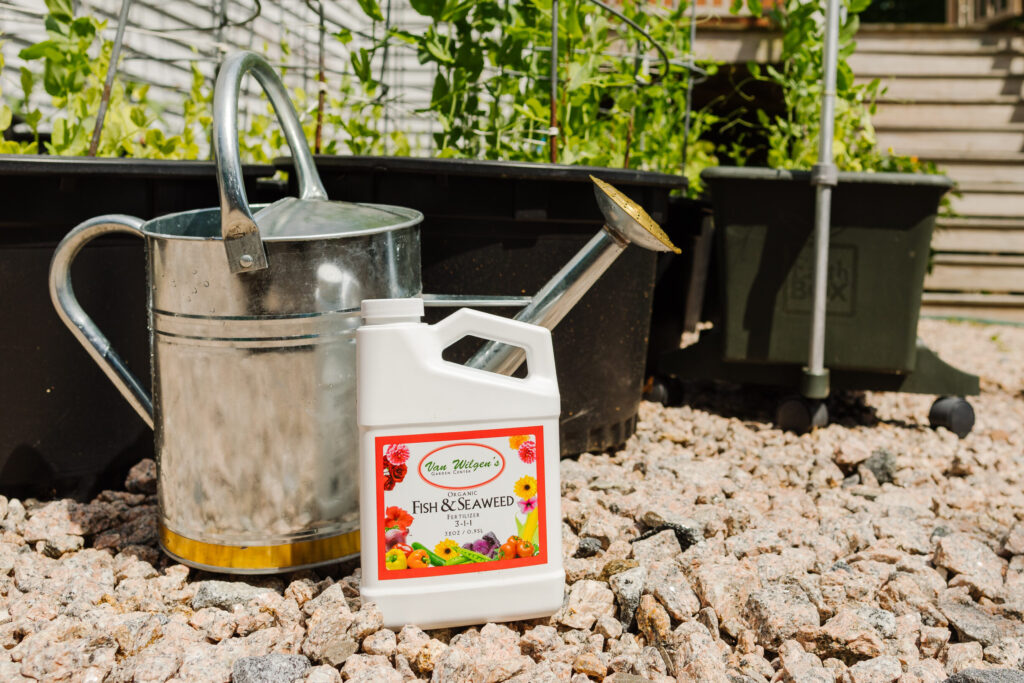
FEED ME: Fertilize fertilize fertilize… they are producing a LOT of food… they need food too. Use Van Wilgen’s Controlled Release, VW Fish and Seaweed Fertilizer, or BOTH; they will help your plant thrive and produce!
WATCH THOSE TEMPS: Make sure you wait to put your tomatoes out till the coast is clear and nighttime temps don’t drop below 55 degrees.
I SEE THE LIGHT: The more sun the better… tomatoes are using the sun for energy and they need a lot! Ensure they get a MINIMUM of 6 hours.
CHUG CHUG CHUG: Make sure you keep your tomatoes watered well! They have a very fibrous root system to soak up as much water as possible… sometimes they need water in the morning and in the evening.
Winter is Coming… and that is not just for all you Game of Thrones fans. It is that time of year and the veggie growing season is drawing to a close. Fortunately, we do not have to prepare for The Night King or his army of White Walkers heading from the north but it is really nice to prepare for winter and enjoy as much of your garden as possible. For tomato lovers it is tough to watch the fruits of your labor go to waste so you pick everything you can, but what about all the tomatoes that will not have a chance to ripen? Some of them might ripen on the counter but for a lot of them, they will stay firm and green. My family, particularly my wife, stores as much as possible and she can’t stand to see anything go to waste so even though those tomatoes are green, we are going to use them!
Have you seen or heard of the movie, “fried green tomatoes”? Yep, you know where I’m going next. For a guy who is not a huge fan of “raw” tomatoes, the first time my wife placed a plate of fried green tomatoes in front of me I raised an eyebrow. I will say I was pleasantly surprised! Although who am I kidding, it’s fried, throw a little sriracha mayo for dipping and now we are talking. It kind of tastes like a tangier version of fried eggplant so go ahead and make it “Parmesan style” with sauce and cheese.
Give this recipe a shot and let us know what you think!
Ingredients:
Best Fried Green Tomatoes
Prep 5 m
Cook 15 m
Ready In 20 m
Recipe By: Diana Swenson-Siegel
“You can also fry up red tomatoes with this recipe but make sure they are not overripe or they will be mushy. Serve these tomatoes outside with a glass of iced tea one summer night and enjoy the sunset with someone you love.”
Ingredients
4 large green tomatoes
2 eggs
1/2 cup milk
1 cup all-purpose flour
1/2 cup cornmeal
1/2 cup bread crumbs
2 teaspoons coarse kosher salt
1/4 teaspoon ground black pepper
1-quart vegetable oil for frying
Directions
Slice tomatoes 1/2 inch thick. Discard the ends.
Whisk eggs and milk together in a medium-size bowl. Scoop flour onto a plate. Mix cornmeal, bread crumbs, and salt and pepper on another plate. Dip tomatoes into flour to coat. Then dip the tomatoes into milk and egg mixture. Dredge in breadcrumbs to completely coat.
In a large skillet, pour vegetable oil (enough so that there is 1/2 inch of oil in the pan) and heat over medium heat. Place tomatoes into the frying pan in batches of 4 or 5, depending on the size of your skillet. Do not crowd the tomatoes, they should not touch each other. When the tomatoes are browned, flip and fry them on the other side. Drain them on paper towels.
A good tomato is hard to forget. You know you’ve hit the jackpot in that first, juicy bite.
Every tomato has the potential to be great and some extra attention now will pay off big time come harvest. Set the stage for a stellar performance by this year’s crops with these tips.
How to Get The Best Tomatoes:
Healthy soil, healthy plants. Enrich the soil with Tomato-tone and compost every other week to keep plants supplied with essential nutrients.
Remove damaged plants. Remove any fruit that shows dark patches on their bottom. These leathery patches, known as blossom end rot, cannot be reversed.
Water well. During hot weather, tomato plants need deep waterings. Tomatoes are also less likely to crack when the soil is kept slightly moist.
Cover the soil. Mulch blocks weeds, saves water, and protects your fruit. Adding it is a no-brainer! Spread a 2-3” layer of organic mulch around plants, leaving 2” of room around the stem so water can reach the roots.
Protect plants from heat. Hot sun can cause sunscald, leaving tomatoes with pale, leathery patches on the fruits that pucker when they should be ripening. Bushy plants with lots of leaves naturally shade the fruit from the sun, however, plants with fewer leaves are more vulnerable. Cover plants with lightweight cloth through the first few heatwaves.
Remove tomato suckers. These small shoots sprout out from where the stem and the branch of a tomato plant meet. Though harmless, tomato suckers do drain energy away from the main stems.
Pick tomatoes when you’re ready for them, avoid letting them get soft and mushy. Tomatoes picked at the breaker stage, when they first show signs of changing color, are considered vine-ripened. These tomatoes will continue to ripen off the vine and on your kitchen counter. Plus, tomatoes picked at the breaking stage can still have the same flavor as one that has fully ripened on the vine.
Whatever you do, just don’t put tomatoes in the fridge to ripen.
May has finally arrived, and many of us are very eager to get our gardens started. While I would love to tell you to plant away, I need to ask you to be patient.
Did you know that during the month of May the nighttime temperatures are only in the 50’s a third of the time, but waiting until June it jumps to 80 percent of the time?
This is very important when it comes to your vegetable garden and your warm-weather vegetables such as tomatoes, peppers, eggplant, and cucumbers to name a few. So, don’t rush you can plant most tomatoes as late as July 1 st, but don’t worry you won’t have to wait that long.
Warm weather veggies need nighttime temperatures to be at a consistent 50 degrees, and the soil temperature at 60 degrees. A very easy way to tell soil temperature is to take your index finger and stick it all the way into the soil, if you can’t leave it there comfortably for a full minute you will not want to put your vegetables in that soil.
If you plant before the ideal time your plant will not be happy, you are not doing it or yourself any favors the plant will not grow any faster because you planted it early. It will in fact not grow at all until that soil temperature reaches 60 degrees, and it can also cause you to cut your vegetable yield in half.
If you just can’t wait to buy your favorites make sure you protect them from any cold nights we have ahead of us, remember May can be very unpredictable so pay attention to your nighttime temperatures until that last chance of frost is finally behind us.
Darlene Granese, Greenhouse Manager
Have you wondered why heirloom tomatoes taste so much better than those conventional ones from the store?
Conventional tomatoes have been bred for long shelf life, disease resistance, high yield, and, even for their looks! So whether you say to-may-to or to-mah-to, we’re here to help you choose the perfect heirloom tomato variety for you.
What is an Heirloom Tomato?
Heirloom tomatoes come from seeds that have been handed down from farmer to farmer for generations for their special characteristics and varieties must be 50 years old at least. Because of this, heirloom tomatoes have minimal disease resistance.
Heirloom varieties are open-pollinated–meaning that the seeds you collect will produce plants almost identical plants year after year. That’s key to their survival.
Many heirlooms have been passed down from generation to generation. Seeds, once considered valuable property, traveled country to country in pockets or through letters. Varieties come from Central America, Russia, Italy, Japan, France, Germany, and Kentucky. Here are a few of our favorites.
Best Heirloom Tomatoes to Grow
Pink Brandywine– This is hands-down the yummiest and most popular heirloom. Dating back to 1885, these tomatoes ripen late in the season, but delight with huge tomatoes with even bigger flavor. Plus, Pink Brandywine tomatoes grow well in containers.
Growth Type: Indeterminate
Time to Maturity: 85-100 days
Taste and Texture: Intense, full flavor with a rich, velvety texture
Light: Full sun
Plant Size: 4-9’
Spacing: 24-36” apart
Staking: Yes – Cage or stake
Black Cherry – This black, heirloom cherry tomato is somewhat disease-resistant and easy to grow – even in containers. The truly striking color makes these cherry tomatoes an instant conversation (or kabob!) starter.
Growth Type: Indeterminate
Time to Maturity: 65-75 days
Taste and Texture: Sweet meets smoky flavor with a meaty texture
Light: Full sun
Plant Size: 5-8’
Spacing: 24-36”
Staking: Yes – Cage or stake
Cherokee Purple – Cherokee purple tomatoes may look eccentric, but boy, do they taste good! Believed to be passed down from Cherokee Indians, this variety produces significantly more tomatoes than other heirlooms.
Growth Type: Indeterminate
Time to Maturity: 75-90 days
Taste and Texture: Sweet, juicy, and savory with a thin skin
Light: Full sun
Plant Size: 4-9’
Spacing: 24-36”
Staking: Yes – Cage or stake
San Marzano- The long, blocky fruits mature with a small, discreet seed cavity that can be scooped out, leaving all meat. This means much less boiling to get a first-class paste. The shape is also good for canning and excellent for drying.
Growth Type: Indeterminate
Time to Maturity: 75-90 days
Taste and Texture: Sweet, with few seeds. Perfect for sauce.
Light: Full sun
Plant Size: 4-9’
Spacing: 24-36”
Staking: Yes – Cage or stake
Why Should I Grow Heirlooms?
We believe the flavor of heirlooms is so superior that no garden would be complete without them. Try a variety this year, and we’re sure you will agree. You will be tasting a little bit of history all summer long.
When you’re organic gardening, be sure to feed tomatoes lots of Tomato-tone during the growing season.