
Fall Planting FAQ
We know there’s a lot of conflicting information out there when it comes to gardening advice. Our priority here at Van Wilgen’s is to help you set your plants up for success going into the winter. With this goal in mind, here are our answers to some of the most asked fall questions!
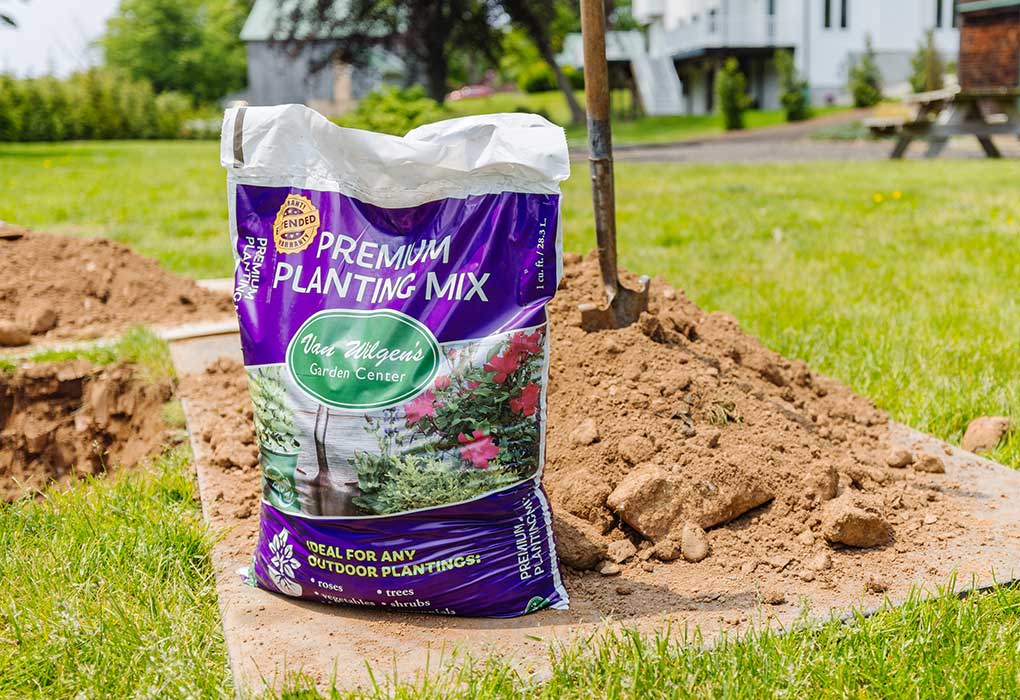
Can I still Plant?
For most hardy outdoor plants, the only time you cannot plant is when the ground is frozen. Do not leave plants in nursery pots for the winter! The safest place for them to withstand cold temperatures is in the ground where roots have insulation. Exceptions to fall planting include tropical plants, houseplants, and tender annuals which can’t tolerate colder temperatures. Otherwise, you’re safe to grab a shovel and head outside!
When do I plant bulbs?
Bulbs like Tulips, Daffodils, Crocus, and Allium should be planted outside in the fall to enjoy them in the early spring. Summer-flowering bulbs like Canna, Elephant ears, Gladiolus, Liatris, and Dahlia should be planted in spring. You can start them indoors and move them outside after the threat of frost.
What can I Prune Now?
Resist the urge to prune roses, trees, and shrubs! This task is better saved for early spring. Most perennials can be pruned in the fall, EXCEPT those listed below.
- Geum
- Ornamental grasses
- Russian Sage
- Lavender
You can, however, always deadhead and clean up anything that looks dead or diseased. Be sure to disinfect your pruners between uses so you don’t spread any diseases to other plants. It is also important to note that fungal spores will overwinter if fallen leaves of infected plants are left underneath them. Rake away and dispose of them as needed.
Should I fertilize?
Feed trees, shrubs, perennials, roses, and fruit trees with half a dose of plant fertilizer (such as Plant Tone) now to give them a good start in spring. Roots will hang on to the fertilizer you apply now. This will give plants and lawns the extra boost they need to push out new growth in spring, especially after a harsh winter. Add Van Wilgen’s JumpStart to help plants recover from drought stress.
How much do I Water?
Make sure that all your plants are properly watered going into the winter season! Plants that are dry in the winter have a greater chance of sustaining winter injury and die-off. To keep things easy, refer to our Van Wilgen’s Watering Guide to help you through the process.
When should I bring my tropical plants in?
Our New England weather can be pretty unpredictable, but once the nighttime temperatures begin to drop below 50°F, you should bring your tropical plants inside. For our area, this could be anywhere from the last few weeks in September to the beginning of October.
